Beaver Cut Wood Carpentry
I live in Colorado on a property that has a free-flowing creek supporting beaver dams. According to some experts, habitats such as this may have held up to one dam for every half mile in pre-settlement times. In our experience, when beavers build dams here, they typically do so in multiples of three or more. As a result, we have watched dozens of beaver dams come and go on our property through the years.
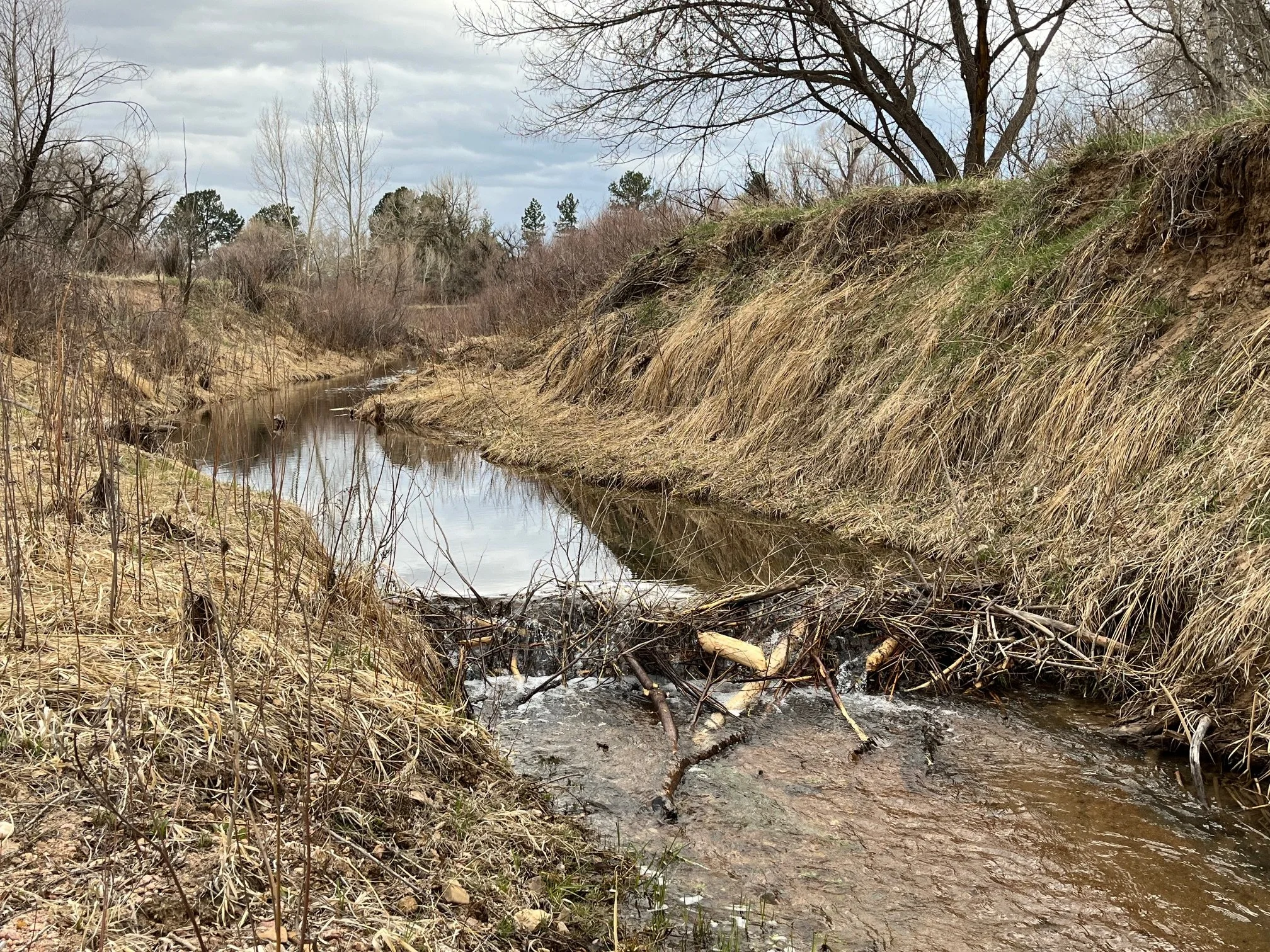
Beavers’ primary food source is grasses and sedges in the riparian corridor, but they also consume the cambium layer in trees and woody shrubs. We often see spots along our creek where beavers stockpile cut sticks for future snacking - their “Picnic Tables.” When beavers are actively building dams, as opposed to merely maintaining them, they cut a surprisingly large number of trees in a short time. We have seen examples where a dozen medium sized trees are cut in one week. A frustrating aspect of being a landowner with active beavers is that much of the cut limber never finds it way into their dams. Cut trees may be abandoned or only partially used. This may be because beavers need to cut wood to properly maintain their iron reinforced teeth, and not all that wood is needed for constructing dams.
In our location, beaver dams last only a few years. They are either abandoned for new locations or extreme spring runoff washes them out. As a result, there is a lot of beaver cut wood strewn throughout the riparian corridor. As a hobby, I harvest and preserve some of this wood, being careful to leave enough for a healthy wood regime in the creek itself. After air-drying the sticks for a year or more, I use them for woodworking projects. For your entertainment, here are a few of those.
Toy Horse – this was an early project, using small pieces that would evoke the spirit of a horse for my grandchildren. They sit on it, so it is surprisingly strong!
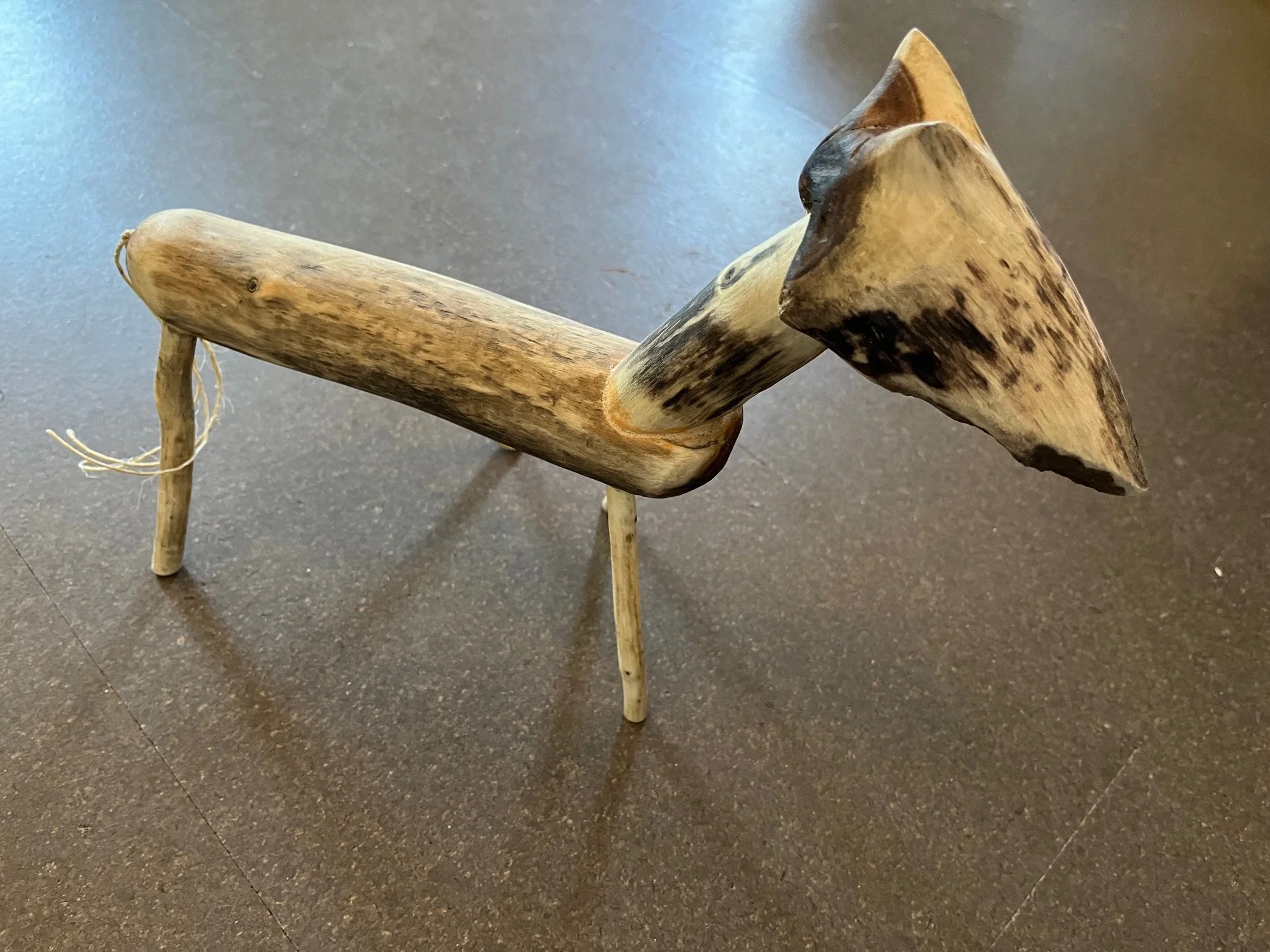
Toy Horse
Loft Guardrail – for a new house for a young couple in western Montana, I built a guardrail where the loft overlooks the living room. Careful selection of sticks for interesting textures and colors combined with the need for structural integrity and durability.
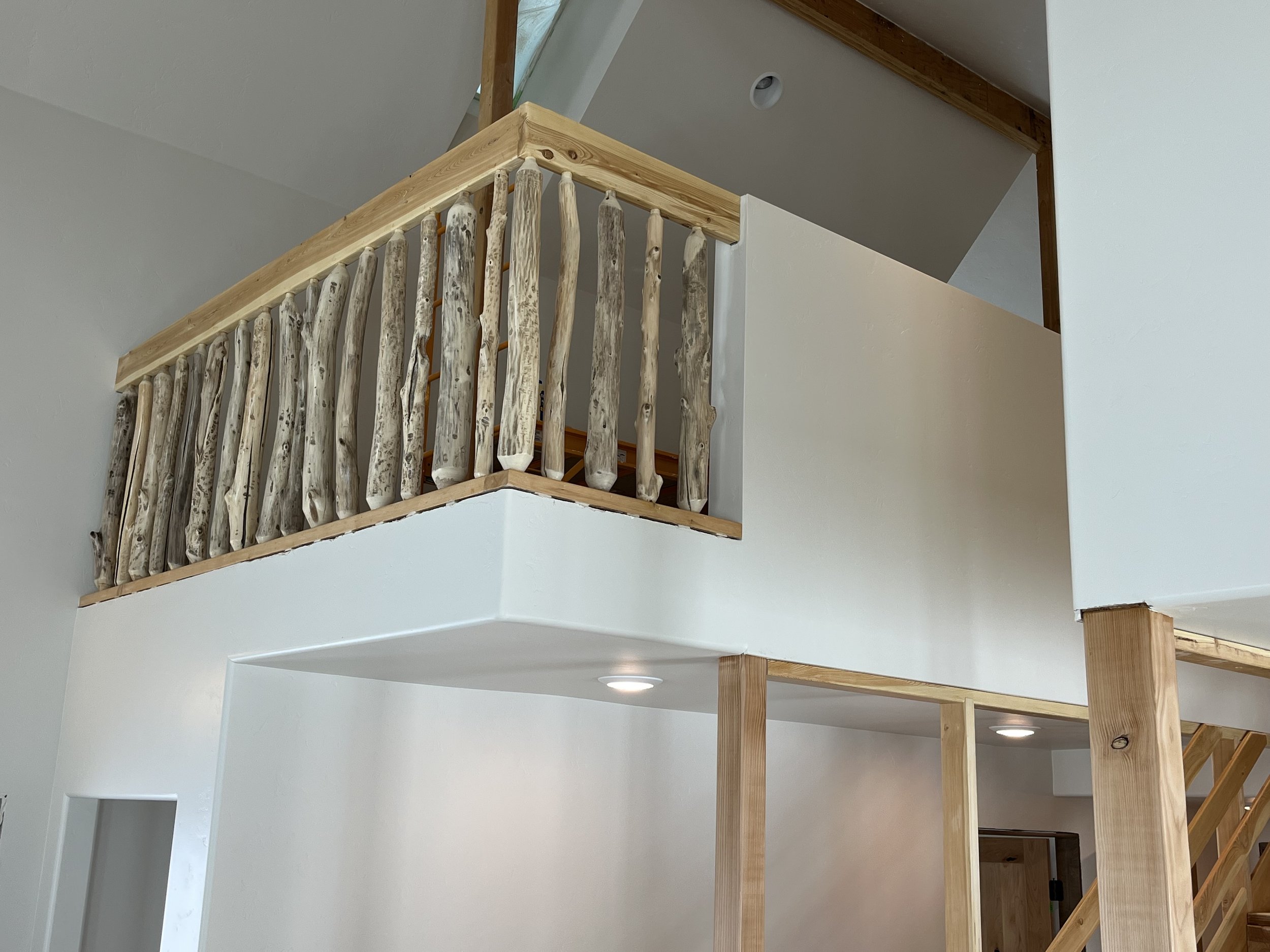
Loft Guardrail
Bookshelf – combining beaver cut wood sticks for vertical supports with Douglas fir harvested from a wildfire in Colorado, I created this small scale bookshelf for a living room in South Dakota.
Cat Tree – this piece was just finished, as you can see in the photo. The owner will add a fabric covered pad on each of the two platforms. I trust the cat will be pleased!
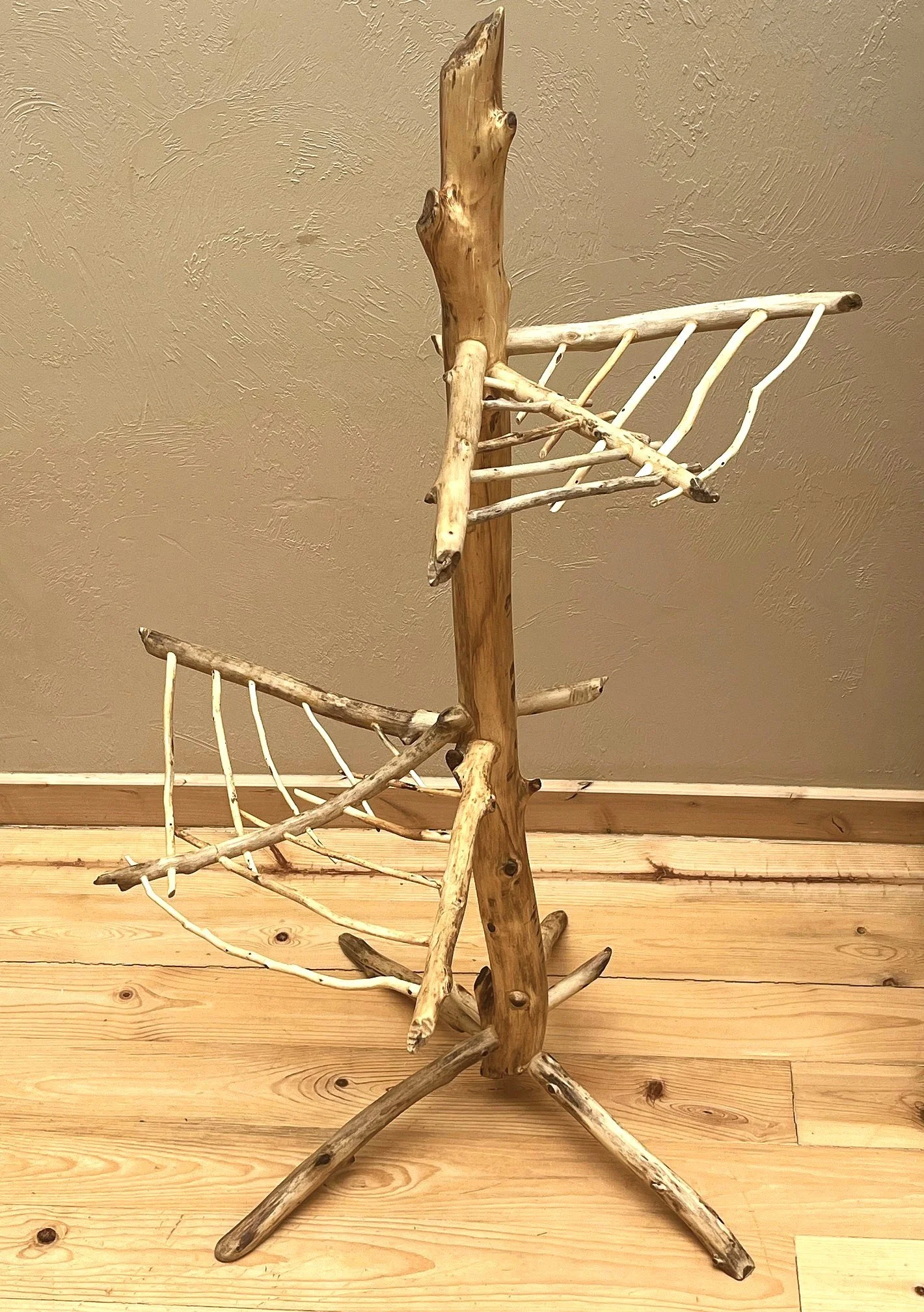
Cat Tree (before adding fabric covered pads at platforms)
If you are interested in working with beaver cut wood, here are a few tips.
· Harvest carefully. I never pull wood out of a functioning dam, and I wait for beavers to finish processing trees after they are cut, before using any.
· Beavers will cut a variety of hardwood (deciduous) tree species. In our area, these are primarily cottonwood, willow, and occasionally, elder. I have never seen a beaver cut a softwood (coniferous) tree, even when they are conveniently located and sized.
· Beaver cut wood has often been submerged. It can take a long time for that wood to air dry, so I stack it under cover but in open air, for at least a year before I use it.
· Even with careful selection and air drying, some cracks will emerge. I don’t try to repair the cracks but use than as an integral part of the artistic composition.
· Beaver cut sticks are NEVER true and straight. I make no attempt to mill or plane them to flat and parallel surfaces. Rather, I accept these eccentricities and work with them.
· Color and texture will vary tremendously. This is due to the original wood species, how long it was submerged, and water chemistry during submersion.
· I try to select beaver cut wood that shows how the beavers interacted with it. I prefer sticks with strong evidence of tooth marks and other evidence of their processing.
If you have experimented with using beaver cut wood for carpentry projects, please share with me. And if you’d like a proposal from me to create a beaver cut custom project for your home, let me know!