Princeton Reunions and Sustainability
I just experienced my 50th College Reunions at Princeton. It’s hard to believe that so much time has elapsed since I spent those four years in central New Jersey. My Class of ’76 decided to make Sustainability the theme for this year, and I was delighted to serve on our sub-committee. Led fearlessly by Susan Haig and Mark Dukas as our co-chairs, we investigated, debated, and developed strategies for many different aspects of Sustainability for our classmates. Key elements of our approach were:
· Offsetting carbon emission from travel to and from campus
· Displaying native plant materials
· Reducing waste, especially cups (a typical Reunion in the past used approx. 250,000 cups)
· Creating a Bingo card highlighting sustainability on campus
· Emphasizing more plant-based food options
· Offering high impact, brief talks from classmates and faculty experts on various sustainability issues
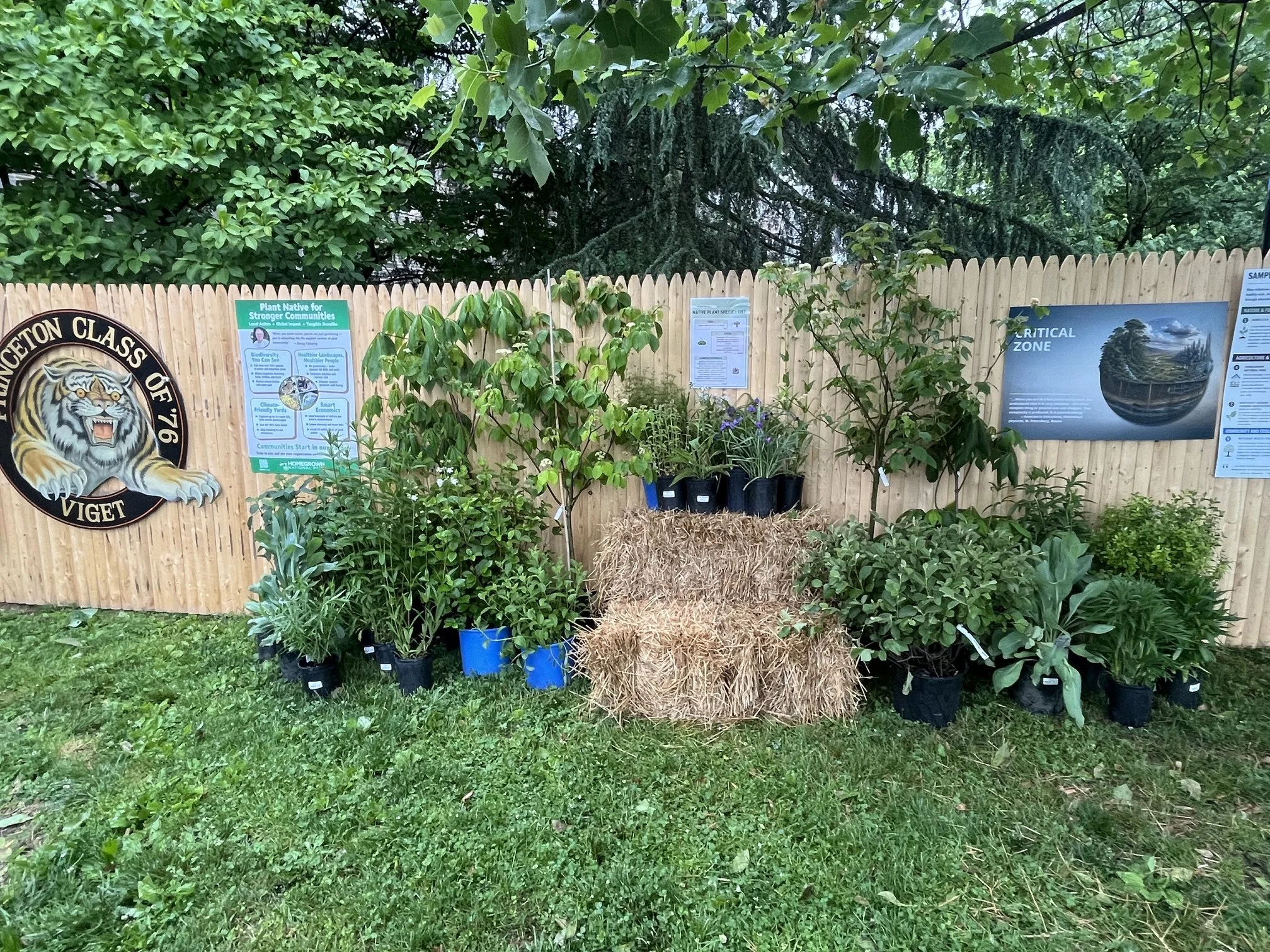
We started with a simple goal of a zero carbon emissions reunion, but as our committee deliberated through the months leading up to Reunions, we shifted our attention to a broader understanding of global issues and especially the importance of the water cycle and land use. Inspired in part by the research and teaching of Australian Walter Jehne (not associated with Princeton) we began to realize that the climate debate has been oversimplified and polarized.
In large measure, the climate issue has been reduced to greenhouse gas (GHG) emissions and the goal of eliminating them. We seem to have neglected the ability of the planet to cool itself through the mechanism of evapotranspiration. We can and must do both - reduce emissions and improve the planet’s cooling system. Either one without the other is pointless.
So, how do we improve that cooling system? The answer sounds simple but is tremendously difficult to implement. More of the earth’s surface needs to be vegetated. That includes a wide variety of approaches, including:
· Preserving native ecosystems, especially forests
· Greening cities and other developed areas
· Embracing sustainable agriculture, i.e. permaculture
· Restoring lost or degraded habitat
· Avoiding converting vegetated areas of any kind into new buildings and infrastructure
With this enhanced understanding of the climate issue in place (largely due to Susan Haig ‘76’s tireless effort to raise our awareness) we proceeded to implement a theme for our planned expert talks. That theme became “Making Peace with Nature.” I promoted that tagline, having been inspired by a talk from UN Secretary General Antonio Guterres many years ago, in which he said “making peace with nature is the defining task of the 21st Century.”
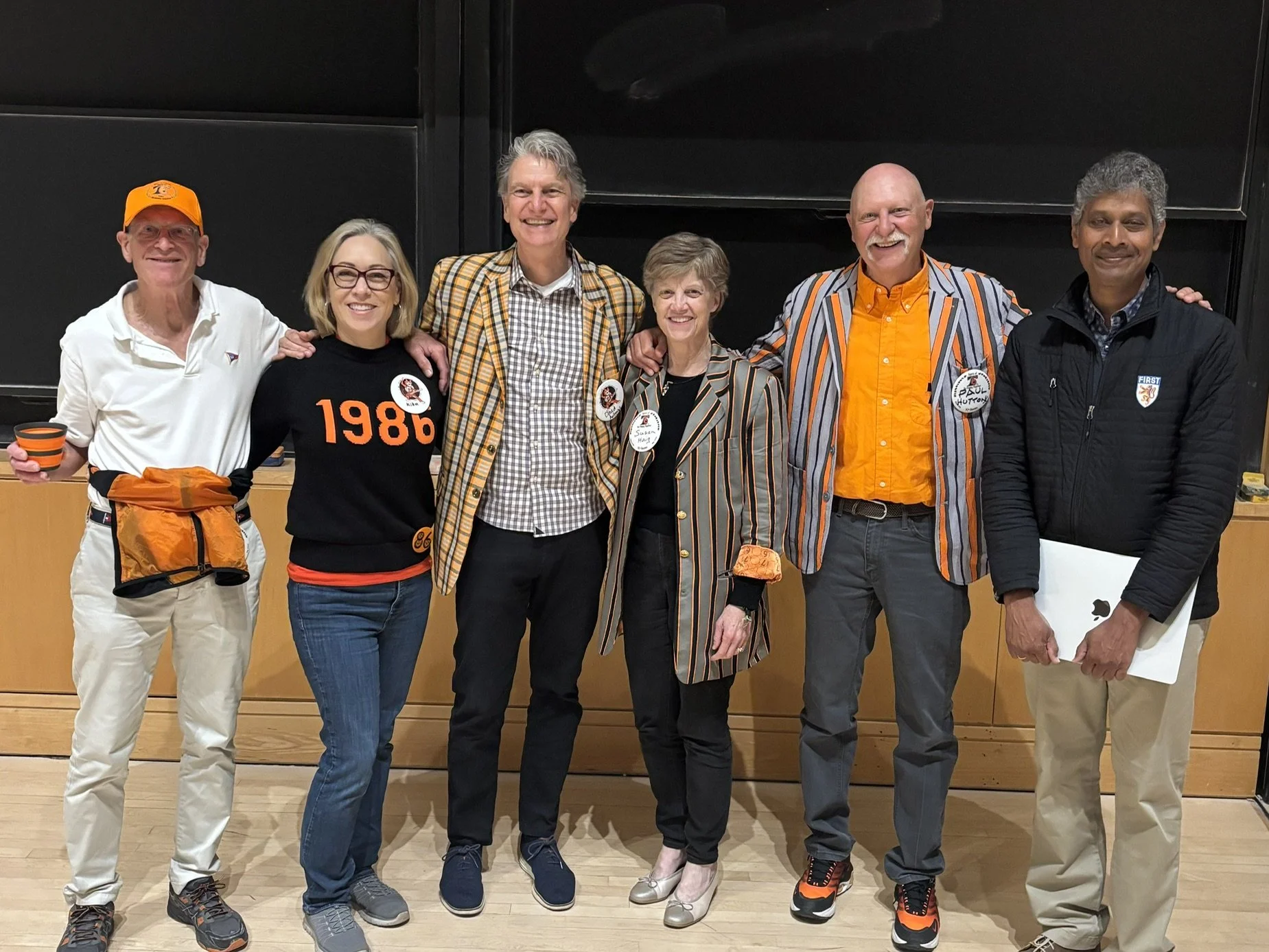
In response, the talks we set up for Thursday of Reunions were meant to establish a deeper understanding of global environmental issues, while our talks on Friday offered advice to classmates on how they can take action in their homes and communities. I had the privilege of presenting a talk with classmate Jamie Hess ’76 on Renewable Energy. The entire Reunions from Thursday afternoon through Sunday morning was a lot of fun, and our Sustainability sub-committee hopes that many of our classmates gained a deeper understanding We also hope that classes preparing for Reunions in the coming years can learn from our efforts and do even better.
#ClassOf76 #MakingPeaceWithNature #PrincetonReunions #MakingPeaceWithNature